03300120371

Knowledge Base
Eyelid Surgery: Upper Blepharoplasty, Lower Blepharoplasty and Ptosis Correction
Eyelid changes can affect much more than appearance. Heavy upper lids, under-eye bags or a drooping eyelid can make you look tired, older or less alert than you feel. In some cases, eyelid position can also affect comfort, symmetry and vision.
What is eyelid surgery?
Upper blepharoplasty
Lower blepharoplasty
Ptosis correction
What causes droopy or heavy eyelids?
What happens during consultation?
What does eyelid surgery involve?
Recovery after eyelid surgery
Will eyelid surgery look natural?
When should you see a specialist?
Before and After
Ready to Take the Next Step?
Book a consultation
Glossary
At OCL Vision, our oculoplastic specialists offer a tailored approach to eyelid surgery, focusing on natural-looking results that refresh the eye area without creating an over-operated appearance.
This guide explains the main types of eyelid surgery, what they can help with, what treatment involves and when to seek specialist advice.
-
Upper blepharoplasty can reduce excess upper eyelid skin and heaviness.
-
Lower blepharoplasty can improve under-eye bags, puffiness and shadows.
-
Ptosis surgery can lift a drooping eyelid and may improve vision if the lid is obstructing the visual field.
-
Eyelid surgery should be carefully tailored to your anatomy, eye health and personal concerns.
-
The aim is usually a refreshed, balanced appearance that still looks like you.
-
Most eyelid procedures are performed as day-case surgery.
-
Recovery commonly involves swelling and bruising for the first 1 to 2 weeks, with final results continuing to refine over several months.
What is eyelid surgery?
Eyelid surgery refers to a group of procedures designed to improve the position, contour or appearance of the eyelids.
The most common procedures include upper blepharoplasty, lower blepharoplasty and ptosis correction. These treatments are often grouped together, but they address different concerns.
Upper blepharoplasty focuses on excess upper eyelid skin and heaviness. Lower blepharoplasty focuses on under-eye bags and puffiness. Ptosis surgery focuses on lifting an eyelid that sits too low because of muscle weakness or stretching.
A specialist consultation is important because similar-looking concerns can have different causes. For example, a heavy upper eyelid may be caused by excess skin, brow position, true ptosis, or a combination of factors.
Upper blepharoplasty
Upper blepharoplasty is a procedure to remove or reshape excess skin from the upper eyelids. In some cases, small amounts of underlying tissue may also be adjusted to restore a clearer, lighter eyelid contour.
This treatment may be suitable if you notice:
-
Excess skin resting on the eyelashes
-
Heavy or hooded upper eyelids
-
A tired appearance, even when well rested
-
Difficulty applying make-up to the upper lids
-
Forehead tension from repeatedly lifting the eyebrows
-
Eyes that look older or less open than they used to
The goal is not to change the way you look. A good upper blepharoplasty should make the eyes appear more open, fresher and more rested while preserving your natural eyelid shape.
Lower blepharoplasty
Lower blepharoplasty is designed to improve the appearance of under-eye bags, puffiness and shadows beneath the eyes.
This treatment may be suitable if you are concerned about:
-
Persistent under-eye bags
-
Puffiness beneath the lower eyelids
-
Shadows that make the eyes look tired
-
A tired appearance in photographs or video calls
-
Loss of smoothness between the lower eyelid and cheek
Lower eyelid surgery requires a particularly careful approach. Removing too much tissue can create a hollow or tight appearance, so modern treatment often focuses on preserving or repositioning volume to create a smoother, more natural under-eye contour.
Ptosis correction
Ptosis describes a drooping upper eyelid. It can affect one or both eyes and may make the eyes look uneven, tired or heavy. In more significant cases, the drooping lid can reduce the upper field of vision.
Ptosis correction may be suitable if you notice:
-
One eyelid sitting lower than the other
-
Difficulty keeping the eye fully open
-
Reduced upper field of vision
-
A heavy eyelid sensation, especially later in the day
-
Eyelid asymmetry
-
A tired or less alert appearance
Ptosis surgery works by adjusting the muscle responsible for lifting the eyelid. The aim is to improve eyelid height, symmetry and function while maintaining a natural contour and normal blink.
What causes droopy or heavy eyelids?
Eyelid concerns can develop for several reasons.
Ageing is one of the most common causes. Over time, the skin loses elasticity, the eyelid tissues can stretch, and the muscles that support eyelid position may become weaker.
Other contributing factors may include:
-
Genetics
-
Brow position
-
Contact lens wear
-
Previous eye surgery
-
Muscle weakness
-
Skin quality
-
Natural facial anatomy
-
Certain neurological or medical conditions
Because there are several possible causes, assessment by an oculoplastic specialist is important before deciding on treatment.
What happens during consultation?
Your consultation will usually include a detailed assessment of your eyelids, brow position, facial symmetry and eye health.
Your specialist may assess:
-
Eyelid height and contour
-
Skin excess
-
Lower eyelid support
-
Brow position
-
Visual function
-
Tear film and dry eye symptoms
-
Medical history
-
Previous eye surgery
-
Your goals and expectations
This helps determine whether upper blepharoplasty, lower blepharoplasty, ptosis correction or a combined approach is most appropriate.
What does eyelid surgery involve?
Eyelid surgery is usually performed as a day-case procedure. This means you can typically return home the same day.
Upper blepharoplasty usually involves placing an incision within the natural upper eyelid crease. Excess skin is removed carefully and the eyelid contour is refined.
Lower blepharoplasty may be performed through an incision hidden inside the lower eyelid or through a carefully placed incision close to the lower lash line, depending on your anatomy and treatment plan.
Ptosis surgery may involve an incision in the natural eyelid crease or, in some cases, an approach from the inside of the eyelid.
Your surgeon will explain the most suitable approach for you during consultation.
Recovery after eyelid surgery
Some swelling and bruising is expected after eyelid surgery, particularly during the first 1 to 2 weeks.
Many patients feel comfortable returning to light daily activities within a few days, although this depends on the procedure performed and individual healing.
Typical recovery guidance may include:
-
Using cold compresses as advised
-
Sleeping on your back with your head elevated
-
Avoiding strenuous exercise for around 2 weeks
-
Avoiding eye make-up until advised
-
Keeping the eyelids clean and dry as instructed
-
Attending follow-up appointments
The eyelids usually begin to look more settled within the first few weeks. Final results continue to refine over several months as swelling fully resolves and the tissues soften.
Will eyelid surgery look natural?
A natural result depends on careful planning, conservative tissue handling and an understanding of eyelid anatomy.
The aim should be to refresh the eye area, not to create a different face. In many cases, the best result is one where others notice you look well rested, but cannot tell that surgery has been performed.
At OCL Vision, eyelid surgery is planned around your anatomy, eye health and personal goals, with a focus on maintaining natural eyelid shape, symmetry and function.
When should you see a specialist?
You may benefit from an eyelid surgery consultation if heavy, drooping or puffy eyelids are affecting your confidence, comfort or vision.
You should consider specialist advice if you notice:
-
Upper eyelid skin resting on the lashes
-
A drooping eyelid affecting vision
-
Increasing eyelid asymmetry
-
Persistent under-eye bags
-
Difficulty applying make-up
-
A constantly tired appearance
-
Forehead strain from lifting the brows
-
Changes that affect daily life or confidence
A consultation can help identify the cause of your symptoms and whether treatment is appropriate.
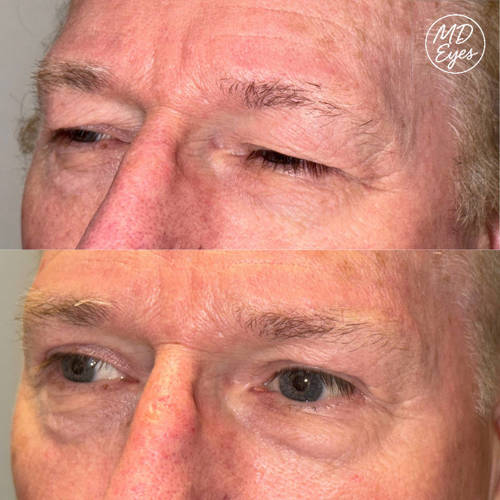
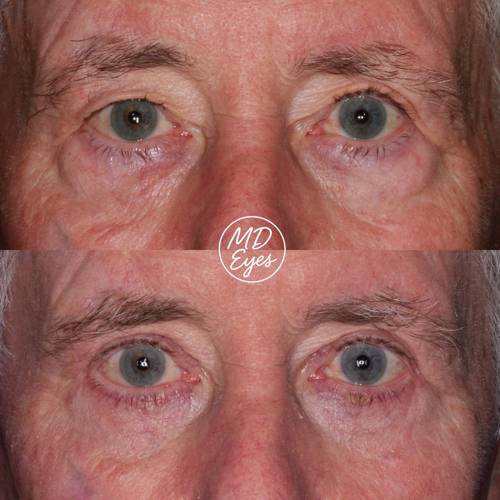
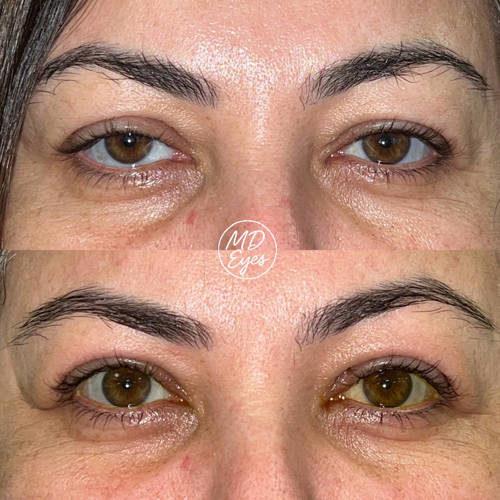
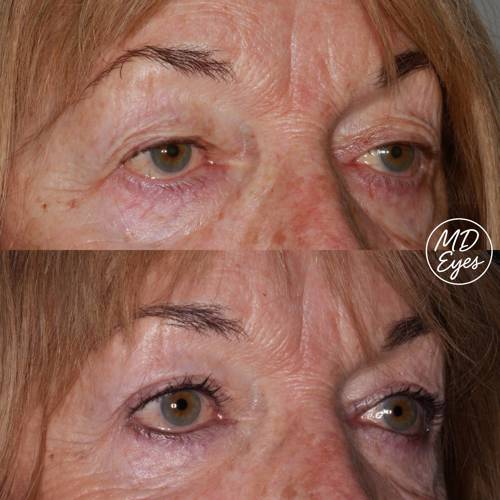
Before and After
Ready to Take the Next Step?
If you’re considering Cosmetic or Oculoplastic Surgery, cost is understandably part of your decision. At OCL Vision, we provide transparent pricing and expert-led care, so you know you're in safe hands from start to finish.
Book your consultation with OCL Vision today, with no hidden fees and complete peace of mind.
Frequently asked questions
Find Out MoreWhat is the difference between blepharoplasty and ptosis surgery?
Blepharoplasty removes or reshapes excess eyelid skin and tissue. Ptosis surgery lifts the eyelid by adjusting the muscle responsible for eyelid height.
Some patients need one procedure, while others may benefit from a combined approach.
Will there be visible scars?
Upper eyelid incisions are usually placed in the natural eyelid crease. Lower eyelid incisions may be hidden inside the eyelid or placed close to the lash line. Scars typically fade well, although healing varies between patients.
How long do eyelid surgery results last?
Results are long-lasting, but the natural ageing process continues. Factors such as skin quality, lifestyle, genetics and facial anatomy can influence how the eyelids change over time.
Is eyelid surgery painful?
Eyelid surgery is usually performed with local anaesthetic, often with sedation. You may feel tightness, swelling or mild discomfort afterwards, but this is usually manageable with aftercare advice.
Can ptosis affect vision?
Yes. If the upper eyelid droops low enough, it can block the upper part of the visual field. Ptosis surgery may improve both eyelid position and visual function in suitable patients.
Am I suitable for eyelid surgery?
Suitability depends on your eyelid anatomy, eye health, symptoms and goals. A specialist consultation is the safest way to determine the right treatment plan.